The variety of
Tangiwai
GLASSY BOWENITE
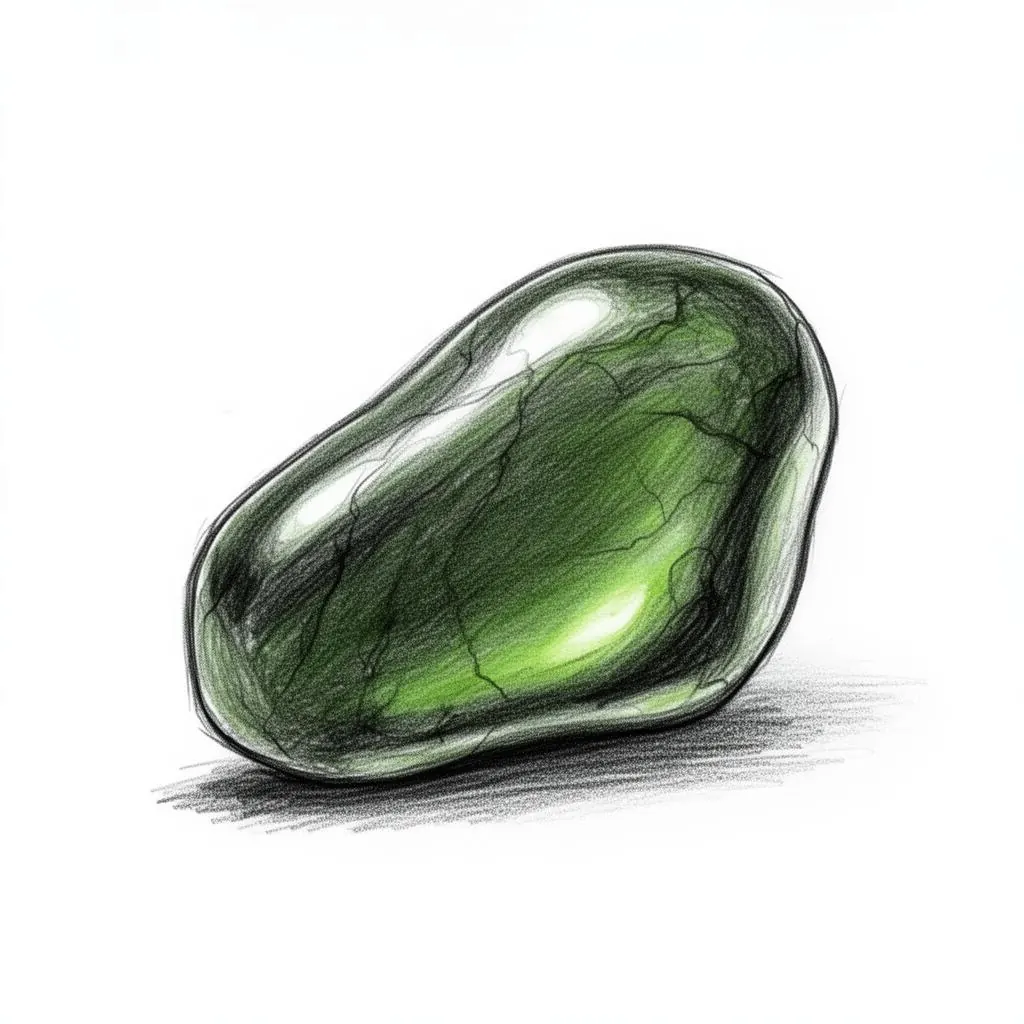
Tangiwai is the glassy, translucent green stone of Piopiotahi (Milford Sound). Mineralogically it is bowenite — a different stone to the nephrite of the West Coast — but it has been treasured as pounamu for as long as Māori have travelled south.
Where it comes from
Tangiwai is found almost exclusively at Anita Bay, on the southern shore of Piopiotahi (Milford Sound), in the heart of Fiordland. Reaching it on foot is a serious undertaking, and historically pounamu was gathered there only on long, organised journeys south.
Because of its source, tangiwai carries the wairua of one of the most remote and dramatic landscapes in Aotearoa New Zealand.
How to recognise it
Tangiwai is glassy and clearly translucent — light passes through it the way it passes through deep, still water. Its colour ranges from a soft sea-green to a bottle-green, often with a soft inner glow when held up.
Compared to nephrite pounamu, tangiwai is slightly softer and more brittle. Carvers treat it gently — it polishes to a deep glassy lustre, but it does not take the same impact as kawakawa.
Why the name
The te reo name tangiwai means tear-water. In one well-known tradition, the stone formed from the tears of Hine-tū-a-hoanga, a figure of mourning. The translucence and the soft inner light of the stone are read as those tears caught and held.
For this reason, tangiwai is often associated with deep emotion, loss, memory and love that endures. It is a stone gifted with great care.
Tangiwai is the stone of still water and long memory. Carved sparingly, treasured deeply.