The meaning of
Koru
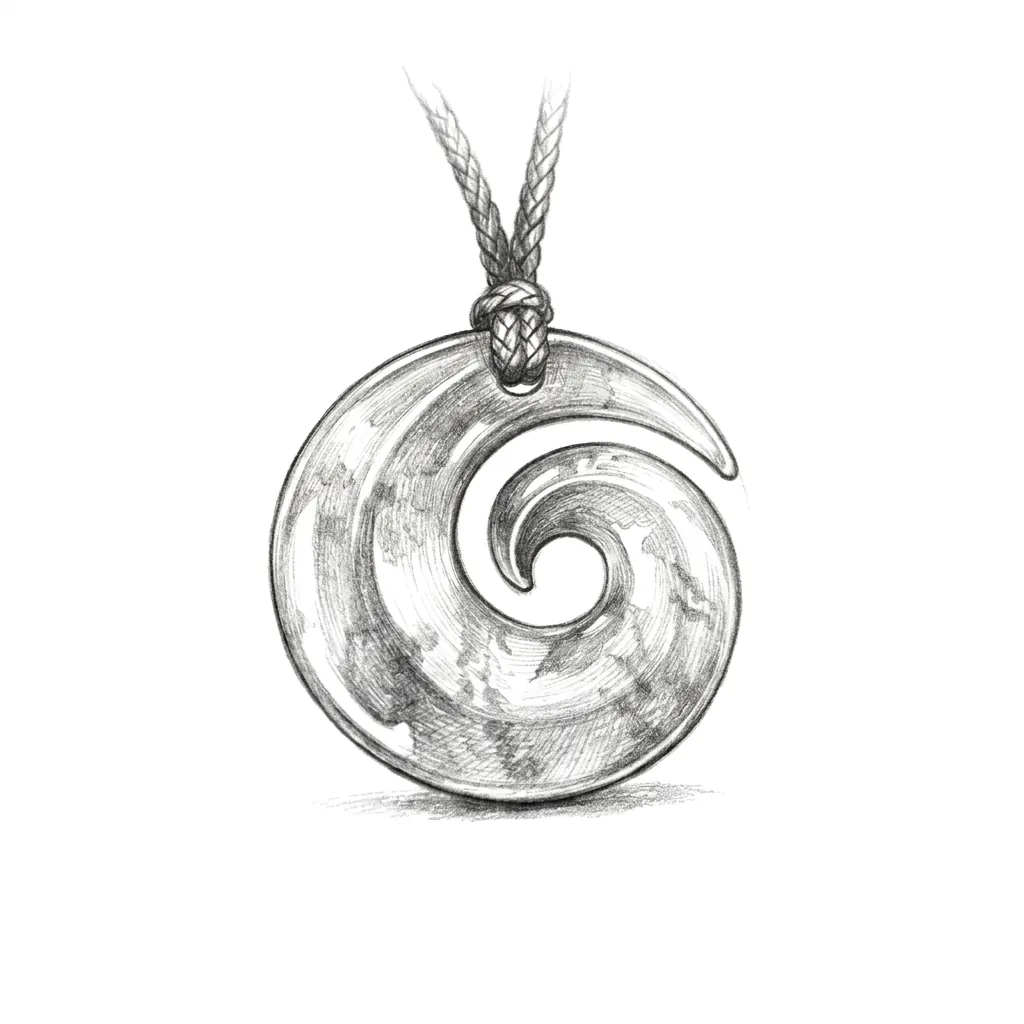
The koru is the unfurling silver-fern frond — one of the oldest and most enduring symbols in Māori art. It is the shape of new life beginning to open: a tight inward spiral that loosens, breath by breath, into the world.
Origin and meaning
Walk through any New Zealand bush at first light and you will see the koru everywhere — silver ferns pushing up from the leaf litter, each tip curled tight against itself. As the day warms, the spiral slowly relaxes outward. It is this quiet, unhurried unfolding that the carving captures.
For Māori, the koru speaks of new beginnings, growth, harmony and peace. Its inward spiral represents the self at rest; its outward motion is the self stepping into the world. The two are not separate movements — they are one continuous breath.
When it is gifted
A koru is traditionally given at the start of something: the birth of a child, a new home, a new role, the beginning of a relationship, or the quiet reset that comes after a hard season. It carries the reassurance that growth does not need to be forced. Things open in their own time.
It is also a common first piece of pounamu — the shape gifted to a young person to mark their first step into adulthood, or carried into a new chapter as a reminder that the path ahead is still unfolding.
Choosing the right one
Look for a koru where the curve feels balanced and unhurried. The best carvings have a sense of breath in them — the spiral neither too tight nor too loose. The outer line should flow into the inner line without a visible join.
Worn close to the body, a koru is said to draw new opportunity toward its wearer. It is a piece that suits the early hours of any change.
A koru is rarely a loud piece. Its strength is in its quiet — the slow, certain opening of something new.