01
Kawakawa
Deep olive-green pounamu
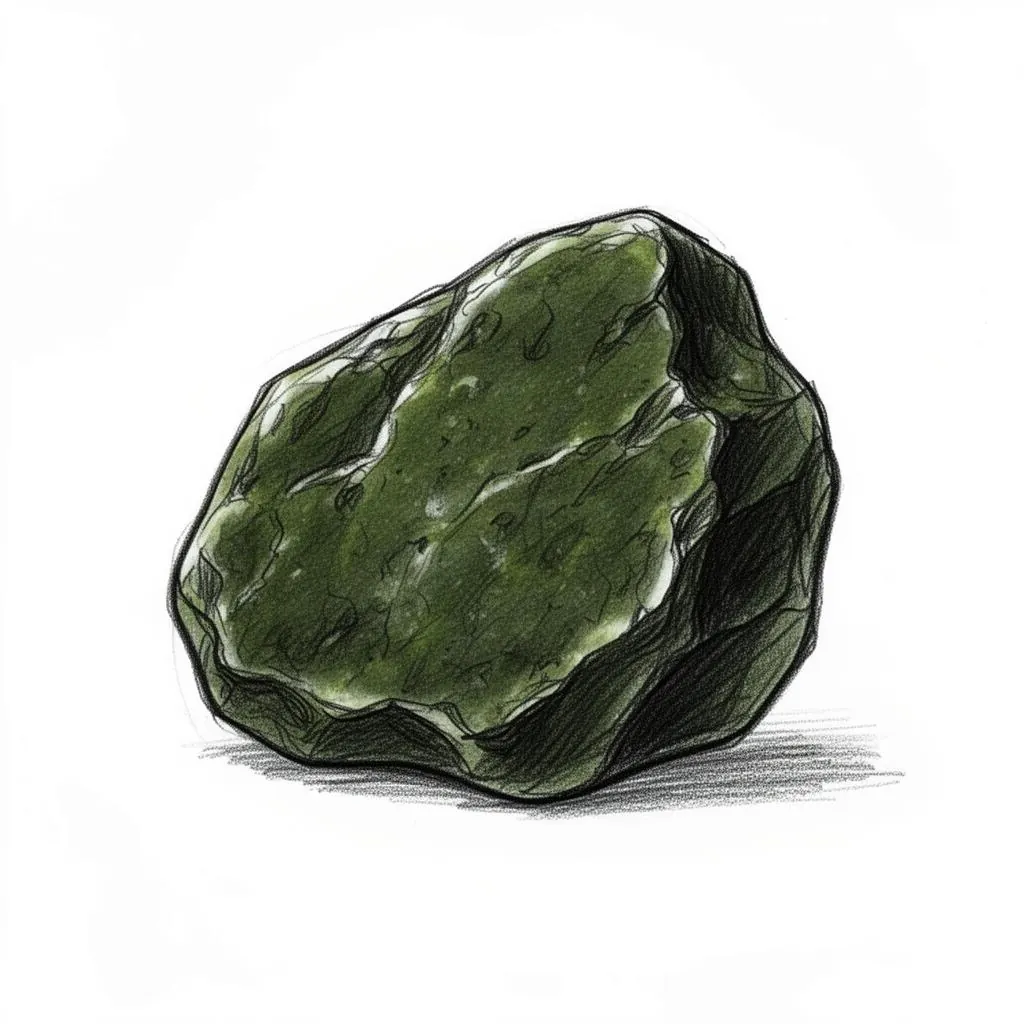
The most common variety — a deep olive-green named after the kawakawa leaf. Strong, opaque and richly coloured.
The guide
In Aotearoa New Zealand the word pounamu covers a small family of green stones — most of them nephrite jade, one a related bowenite. Each has its own colour, its own source, and its own place in tradition. This guide walks through some of the varieties recognised in Māori carving.
Deep olive-green pounamu
The most common variety — a deep olive-green named after the kawakawa leaf. Strong, opaque and richly coloured.
Treasured translucent pounamu
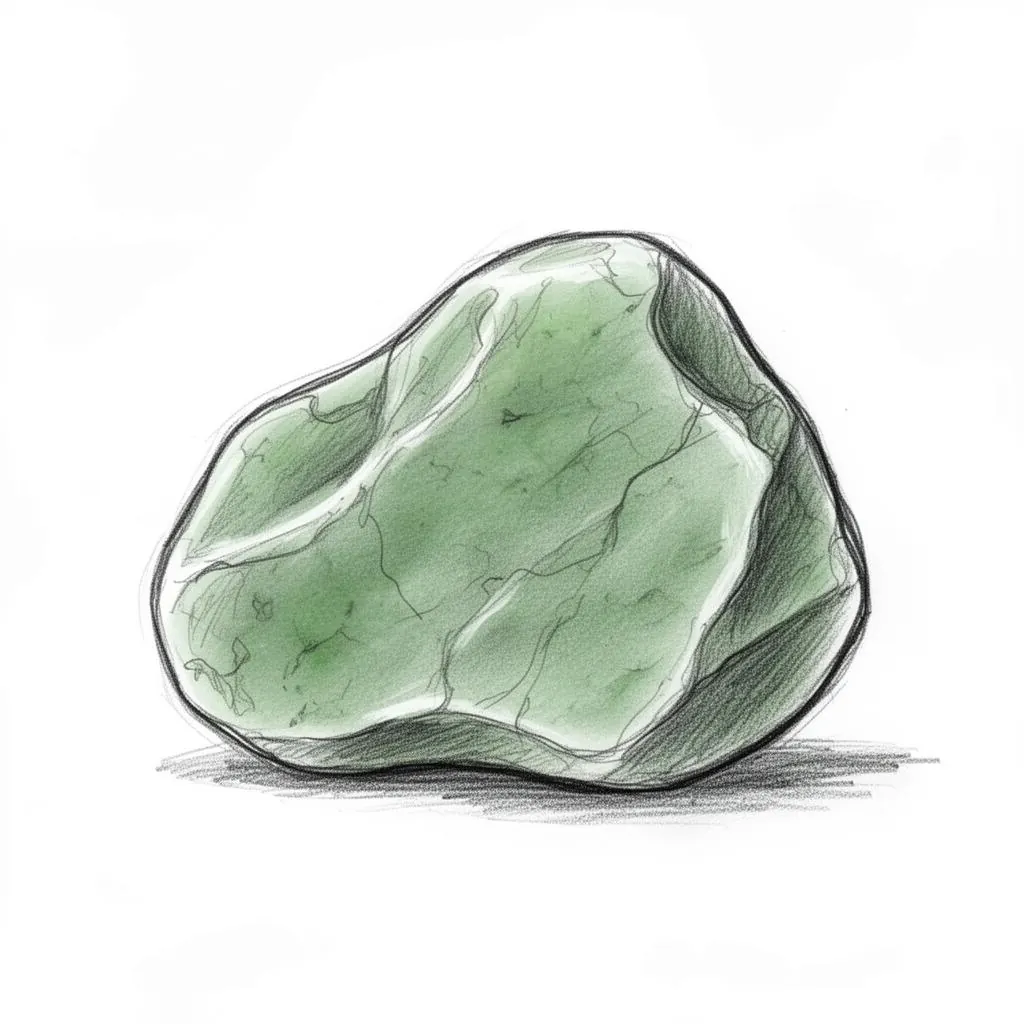
The rarest and most prized — a translucent light green free of flaws, its name evoking a clear sky.
Pearly grey-green pounamu
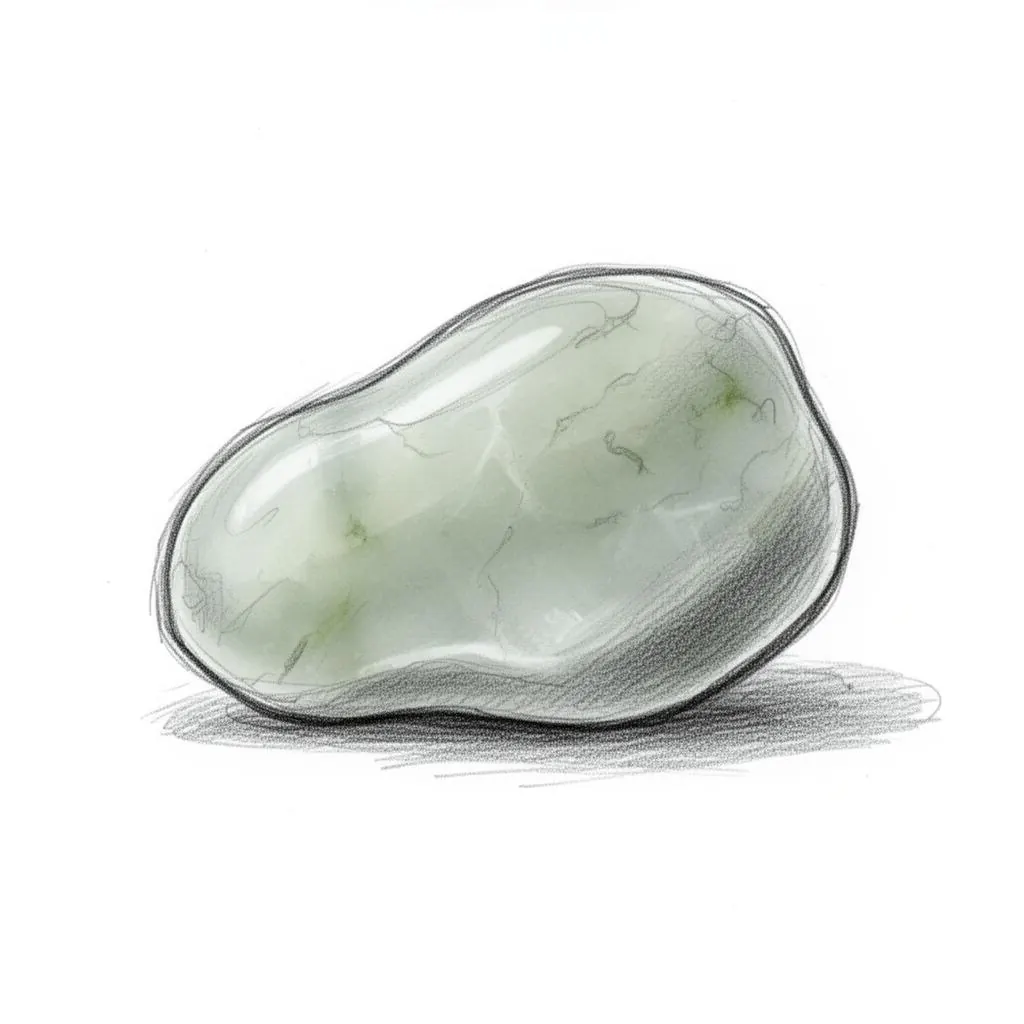
A pale, pearly grey-green named after the whitebait (īnanga). Soft in tone, often almost milky.
GLASSY BOWENITE
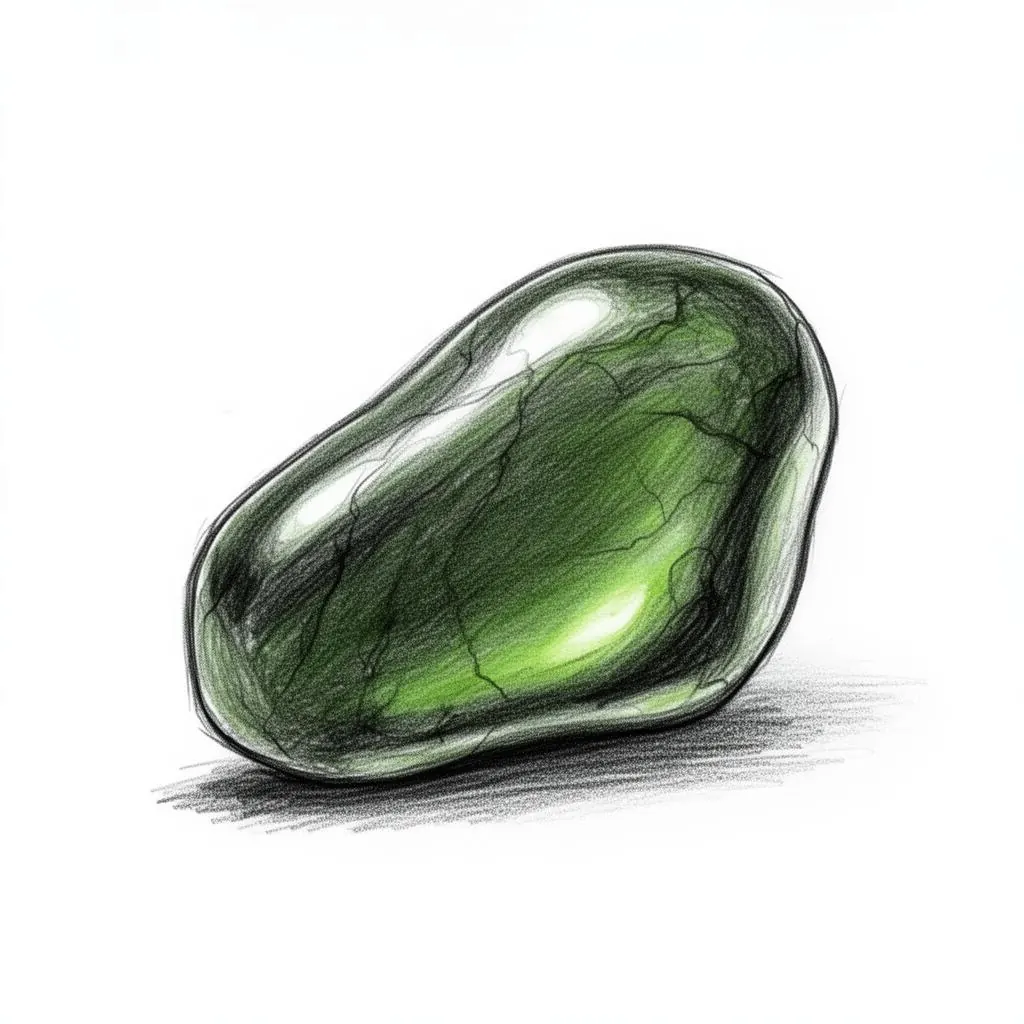
Glassy and translucent. Technically bowenite — a separate mineral to nephrite — but traditionally treasured as pounamu.
Patterned bloom-like pounamu
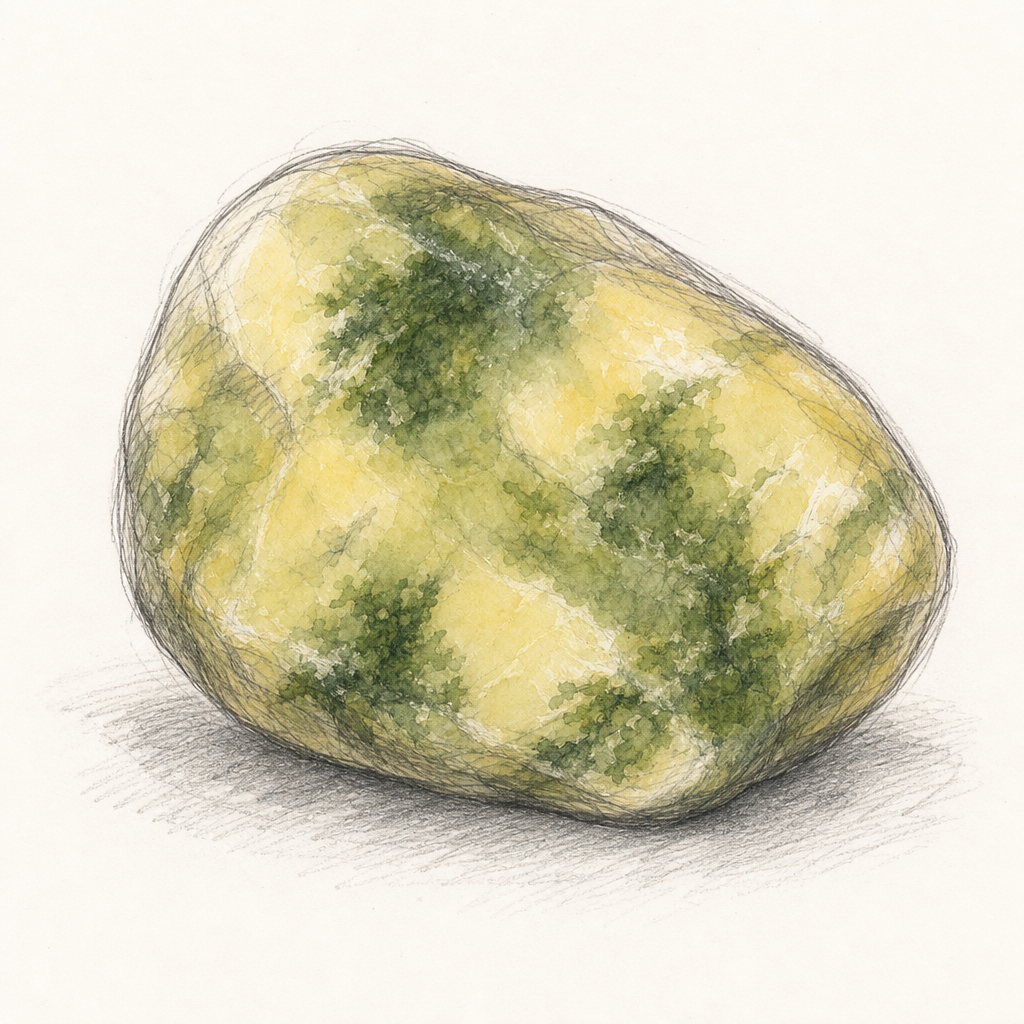
A distinctive variety marked by lighter inclusions that bloom across the stone like flowers — prized for its painterly natural patterning.